Most chiropractors say they want more new patients, but if you ask them where their current ones come from, the answer usually sounds like, “Mostly word of mouth. Some online leads. A few from insurance.”
That’s not a strategy. That’s hope that patients like you enough to talk about you and your practice so that your entire livelihood is fueled by others’ opinions of you and your profession.
Word of mouth is earned, not built. It’s great when it happens, but you can’t control it. For clinics that want to grow, hope isn’t a business model — it’s a gamble.
One compliant, successful patient may tell a friend about the great work you’ve done for them, but one noncompliant, unsuccessful patient also will tell all their friends and potentially write a damaging review that’s systemic.
Successful practices use strategy. A true referral system is developed with intent, not by accident. It needs structure, repetition, and a reason for people to send others your way.
Patients aren’t referring like they used to because nothing stands out. Adjustments are expected. “Chiropractic care” is too broad. People refer when something feels unique, effective, and worth talking about.
If your practice blends in, referrals dry up.
Here’s the truth: patients talk when their expectations are shattered — in a good way. That means:
• They feel better faster than they expected
• They experience something different from other clinics
• They see results that go beyond pain relief
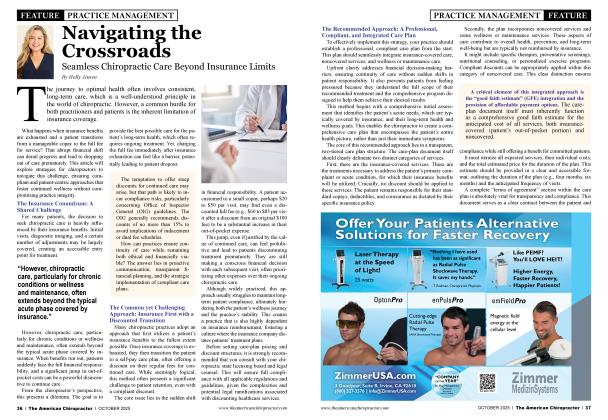
This is when integrating services like invisa-RED weight loss, Hydro Wave shockwave, laser therapy, decompression, or other programs make a difference. These aren’t gimmicks; they’re modem tools that improve outcomes and get people talking.
Most clinics wait too long to ask for referrals. The best moment to ask is when the patient signs up — they’re hopeful, committed, and have emotionally and financially bought in.
That’s when you tell them what you want from them. For example, “Mrs. Jones, I know you are going to do phenomenal with your program because you are fully committed to getting better. I need more patients just like you. If you know someone who needs our help, and you feel that they would have the same level of commitment as you do, then I would like to talk to them. With that said, who is the first person that comes to mind?”
This isn’t pushy. It’s direct, honest, and easy to answer. At that moment, the patient may call their friend and schedule a time for a consultation.
Some clinics add an incentive — a free add-on, credit, or discount for both parties. However, even without one, the timing matters most. Catch people when they care because that fuels word of mouth with intention.
Marketing isn’t just for cold leads. It’s how you equip current patients to refer others.
Use follow-up messages that remind patients to refer.
Send referral links through text and email.
Build systems that reward people for spreading the word and remind them to do it.
When your services deliver visible results and your marketing makes sharing easy, referrals don’t just happen, they grow. This isn’t complicated, but it does take planning.
If your new patient flow is unpredictable, that’s not a systems problem. When you add in services that deliver fast, visible outcomes and back them with a clear marketing and referral strategy, growth stops being a mystery. It becomes math.
More outcomes = more conversations = more referrals = more long-term patients.
“The Business of Chronic Care: How Adding Weight-Loss, Nutrition, and Proven Services Helps Combat Chronic Health Conditions and Increases Revenue ”
Chronic health conditions such as obesity and diabetes are driving patients to seek real, lasting solutions. Clinics that offer proven services, such as invisa-RED, nutrition guidance, and Hydro Wave shockwave programs, improve outcomes and open up new revenue streams, boost retention, and expand their role in long-term care.
In the next issue, we’ll break down how to build, price, and market chronic care services that deliver results for your patients and your business.
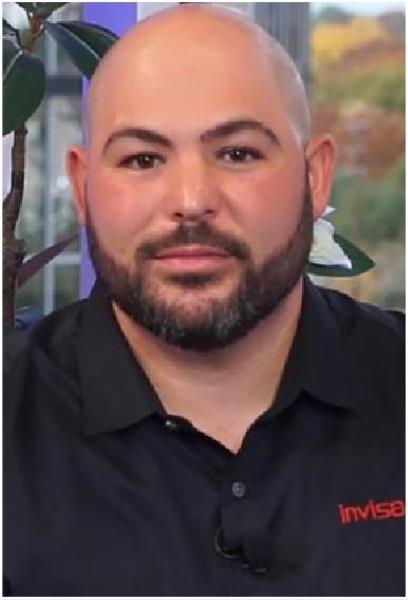
Stephen Reardon, founder and CEO of IR Technology, is the inventor of an FDA-Cleared medical device the Elite 12. With 15+years in medical tech and entrepreneurship, led IR Technology’s exponential growth, now adopted by thousands of practices nationwide. He also owns a seven-figure medical practice. Formore information call 888221-7119, email info@inviaredtech.com or visit lnvisaRed.com.