Cardiovascular disease is the leading cause of death in the United States of America. Photobiomodulation therapy (PBMT) is a form of low-dose laser or light treatment emerging as a promising intervention for cardiovascular health and aging. This noninvasive approach utilizes specific wavelengths of light — typically in the red to infrared spectrum from 635 nm to 1,064 nm — to stimulate cellular processes, reduce systemic inflammation, and promote healing.
Recent studies have demonstrated PBMT’s potential in mitigating age-associated cardiovascular remodeling and improving cardiac function.1 Multiple PBMT applications for cardiovascular health have been extensively studied over the last decade. Following are some promising researched PBMT applications to keep an eye on:
1. In a study using a mouse model of accelerated cardiac aging, PBM treatment showed remarkable effects, including increased left ventricular fractions and decreased aortic wall stiffness. Perhaps the most striking result was when mice treated with PMBT with a genetic predisposition to severe heart disease showed a 100% survival rate, compared to 43% in untreated controls.2
2. In a human study, transcutaneous and transmucosal laser PBMT has demonstrated several potential benefits for cardiovascular health including improved blood pressure regulation, enhanced blood flow, reduced systemic inflammation, and improved glucose and lipid profile.3
3. In another human study, elite women soccer players treated with full-body PBMT utilizing 660 nm and 830 nm wavelengths were found to have augmented cardiorespiratory indicators of recovery.4
4. In an older 2014 study of humans, noninvasive 810 nm laser PMBT was successfully used after coronary bypass grafting to decrease cardiac cellular damage and help accelerate the repair of the cardiac tissue. 5
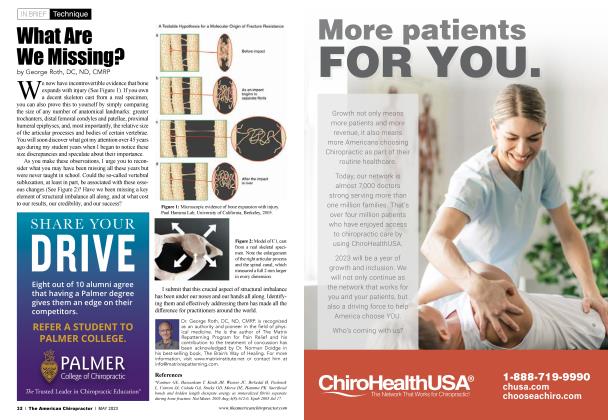
The research on PBMT for cardiovascular health is still in its early stages, but existing studies suggest promising avenues for further investigation and represent an exciting frontier in noninvasive cardiovascular interventions. As research progresses, PMBT may offer a novel approach to safely improving cardiovascular health and recovery, particularly for athletes and individuals with cardiovascular risk
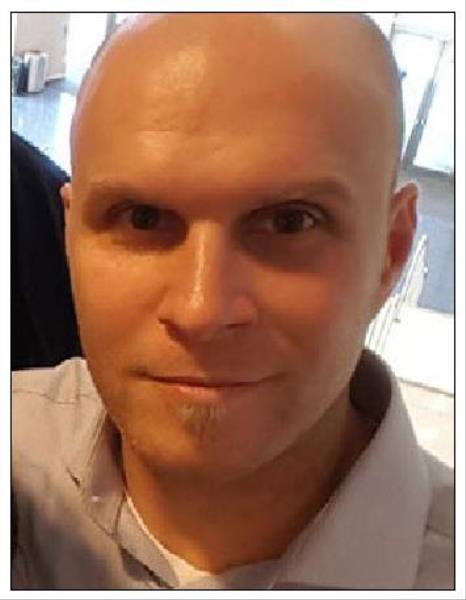
Dr. Ryan Novak is a practicing naturopathic and chiropractic physician. He is also the chief scientific officer (CSO) for a sonophotobiomodulation therapy medical device facility and consulting firm that develops and distributes FDA-approved and registered devices, such as the PainBuster Super Pulsed Laser.
References
1. Liebert A, Krause A, Goonetilleke N, et al. A role for photobiomodulation in the prevention of myocardial ischemic reperfusion injury: a systematic review and potential molecular mechanisms. Sci Rep. 2017 Feb 9:7:42386. doi:10.1038/srep42386. Accessed: 01/28/2025.
2. Syed SB, Ahmet I, Chakir K, Morrell CH, Arany PR, Lakatta EG. Photobiomodulation therapy mitigates cardiovascular aging and improves survival. Lasers Surg Med. 2023 Mar;55(3):278-293. doi: 10.1002/lsm.23644. Epub 2023 Feb 23. PMID: 36821717; PMCID: PMC 10084725. Accessed: 01/28/2025.
3. Lizarelli RFZ, Grecco C, Regalo SCH, Esteban Florez FL, Bagnato VS. A pilot study on the effects of transcutaneous and transmucosal laser irradiation on blood pressure, glucose and cholesterol in women. Heliyon. 2021 May 24;7(5):e07110. doi: 10.1016/j.heliyon.2021.e07110. PMID: 34136688; PMCID: PMC8180620. Accessed: 01/29/2025.
4. Rentz LE, Bryner RW, Ramadan J, Rezai A, Galster SM. Full-body photobiomodulation therapy is associated with reduced sleep durations and augmented cardiorespiratory indicators of recovery. Sports (Basel). 2022 Jul 31:10(8): 119. doi: 10.3390/sportsl0080119. PMID: 36006085; PMCID: PMC9414854. Accessed: 01/29/2025.
5. Kazemi Khoo N, Babazadeh K, Lajevardi M, Dabaghian FH, Mostafavi E. Application of low-level laser therapy following coronary artery bypass grafting (CABG) Surgery. J Lasers Med Sci. 2014 Spring;5(2):86-91. PMID: 25653805; PMCID: PMC4291821. Accessed: 02/02/2025.