JAMA Network Open
February 4, 2025; Vol. 8; No. 2; Article e2457868
Daniel T. Myran, MD, MPH, and ten more from the University of Ottawa; Western University, Ontario, Canada; and the University of Toronto.
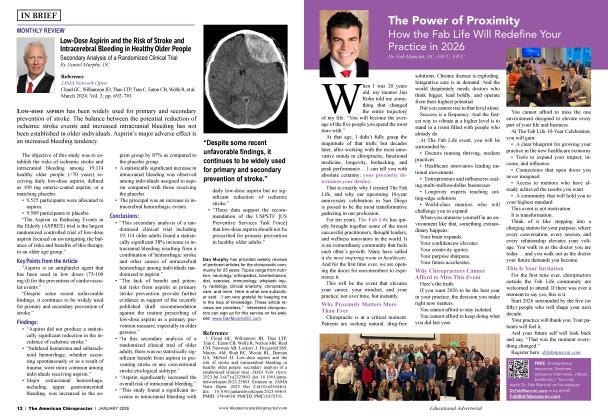
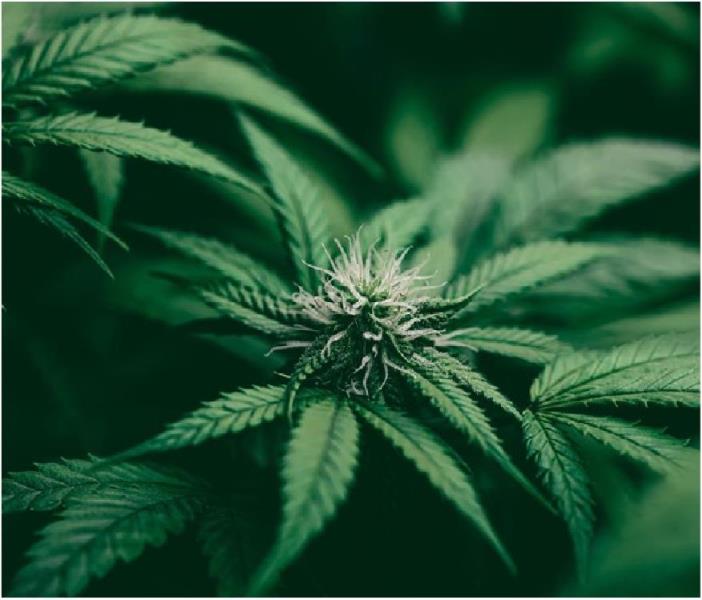
THIS STUDY ASSESSED THE INCIDENCE OF schizophrenia after liberalization of medical cannabis and legalization of nonmedical cannabis in Canada. The authors assessed 13,588,681 people aged 14 to 65 years without a history of schizophrenia.
“Cannabis use and the tetrahydrocannabinol (THC) content of cannabis products are increasing globally.”
“Cannabis policy in Canada has shifted markedly over the past two decades.”
• Medical cannabis in Canada has been legal since 2001 and was greatly expanded in 2014.
• “Canada was the first country in the world to allow commercial sale of nonmedical cannabis.”
• “In early 2020, the market in Ontario began to commercialize with the introduction of new products with high THC content (concentrates, vapes, and edibles) along with the removal of store restrictions.”
There are public health concerns that cannabis legalization may increase the number of cases of schizophrenia caused by cannabis.
“Cannabis use is associated with subsequent development or earlier onset of psychosis and schizophrenia.”
• “Evidence suggests a dose-response relationship, with more frequent use of higher-potency cannabis products associated with a greater risk of schizophrenia.”
“The THC content of cannabis in North America has more than doubled over our study time frame, with more than 70% of legal dried cannabis sold in Ontario currently exceeding 20% THC.”
• “Consistent with increasing cannabis use and potency, emergency department visits in Ontario for cannabis-induced psychosis and cannabis use disorder have increased.” in an older age group.”
• “The proportion of incident cases of schizophrenia associated with cannabis use disorder almost tripled during a period of substantial liberalization of cannabis policy.”
• “Over the past 17 years, the proportion of new cases of schizophrenia in Ontario, Canada, associated with diagnosed cannabis use disorder has increased from 1.6% in 2006 to 9.6% in 2022.”
• “In this population-based cohort study comprising 13,588,681 individuals, the population-attributable fraction of cannabis use disorder associated with schizophrenia increased significantly from 3.7% in the pre-legalization period to 10.3% during the post-legalization period.”
• “In this cohort study of individuals aged 14 to 65 years, the proportion of incident cases of schizophrenia associated with cannabis use almost tripled during a period encompassing ongoing liberalization of medical and nonmedical cannabis.”
• “Increasing rates of schizophrenia among younger adults are of considerable concern and may be capturing important harms associated with increasing cannabis use, as youths are considered the most vulnerable to cannabis use.”
• “These findings suggest that the association between cannabis use disorders and schizophrenia is an important consideration for the legalization of cannabis.”
Dan Murphy has provided weekly reviews of pertinent articles for the chiropractic community for 25 years. Topics range from nutrition, neurology, orthopedics, biomechanics, diet, exercise, immunology, whiplash injury, radiology, clinical anatomy, chiropractic care, and more. Here is what one subscriber said: “I am very grateful for keeping me in the loop of knowledge. These article reviews are priceless.” Interested chiropractors can sign up for this service on his website: www.DanMurphyDC.com.
1. Myran DT, Pugliese M, Harrison LD, Solmi M, Anderson KK, Fiedorowicz JG, Finkelstein Y, Manuel D, Taljaard M, Webber C, Tanuseputro P. Changes in incident schizophrenia diagnoses associated with cannabis use disorder after cannabis legalization. JAMANetw Open. 2025 Feb 3;8(2):e2457868. doi: 10.1001/jamanetworkopen.2024.57868. PMID: 39903464; PMCID: PMC11795325.